If you drive north towards Lake City on Hwy 63, you may notice a two-storied general store building seemingly in the middle of nowhere. At first glance you might take it for an abandoned relic of a bygone era, when every tiny township in this part of Minnesota had its own economic center. But as you come closer a flash of color might catch your eye- a brightly painted window advertising produce for sale, or a string of flags hanging over the entrance. If you passed by on a winter’s night sometime before the pandemic, you might have also noticed a line of cars parked outside and heard strains of music coming from within.
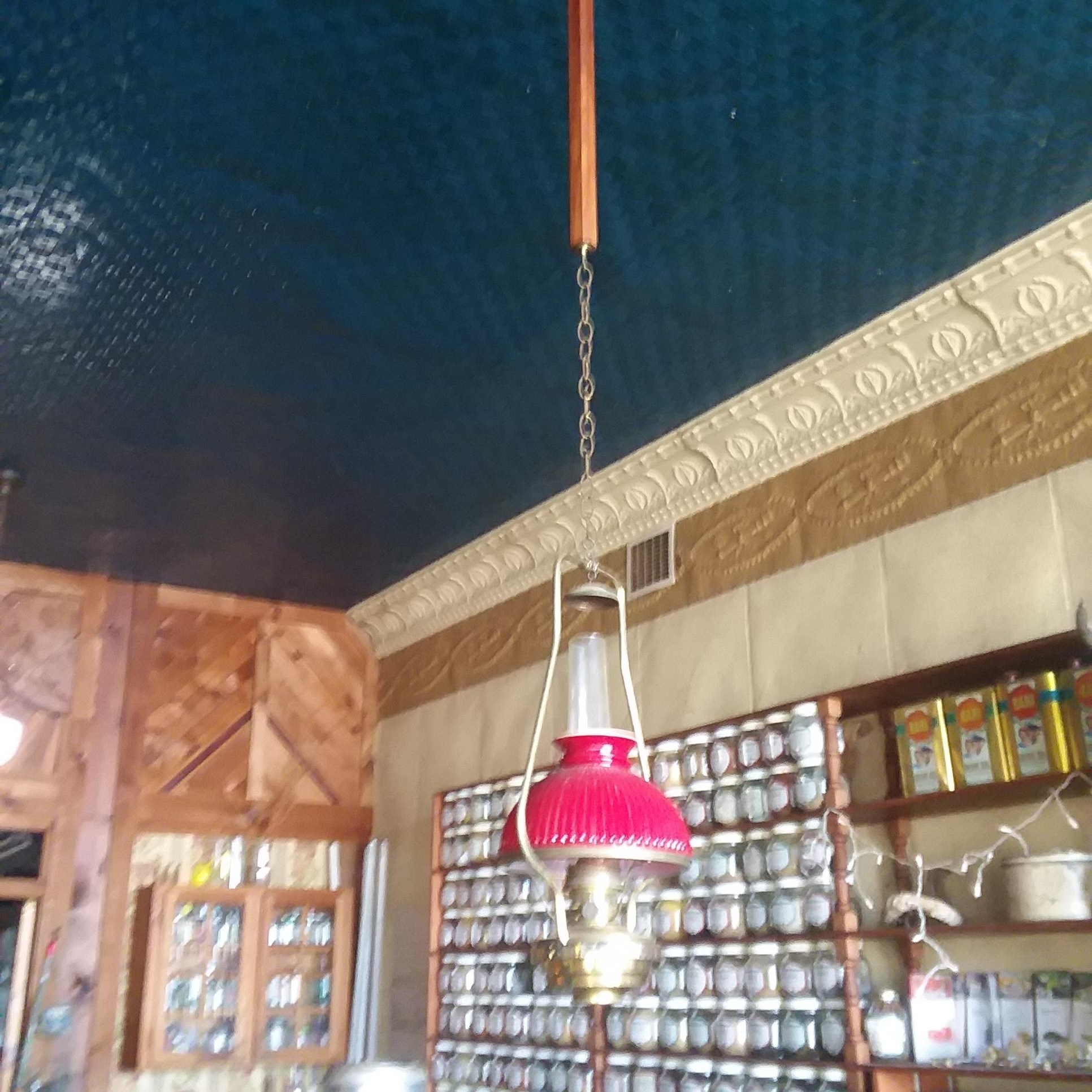
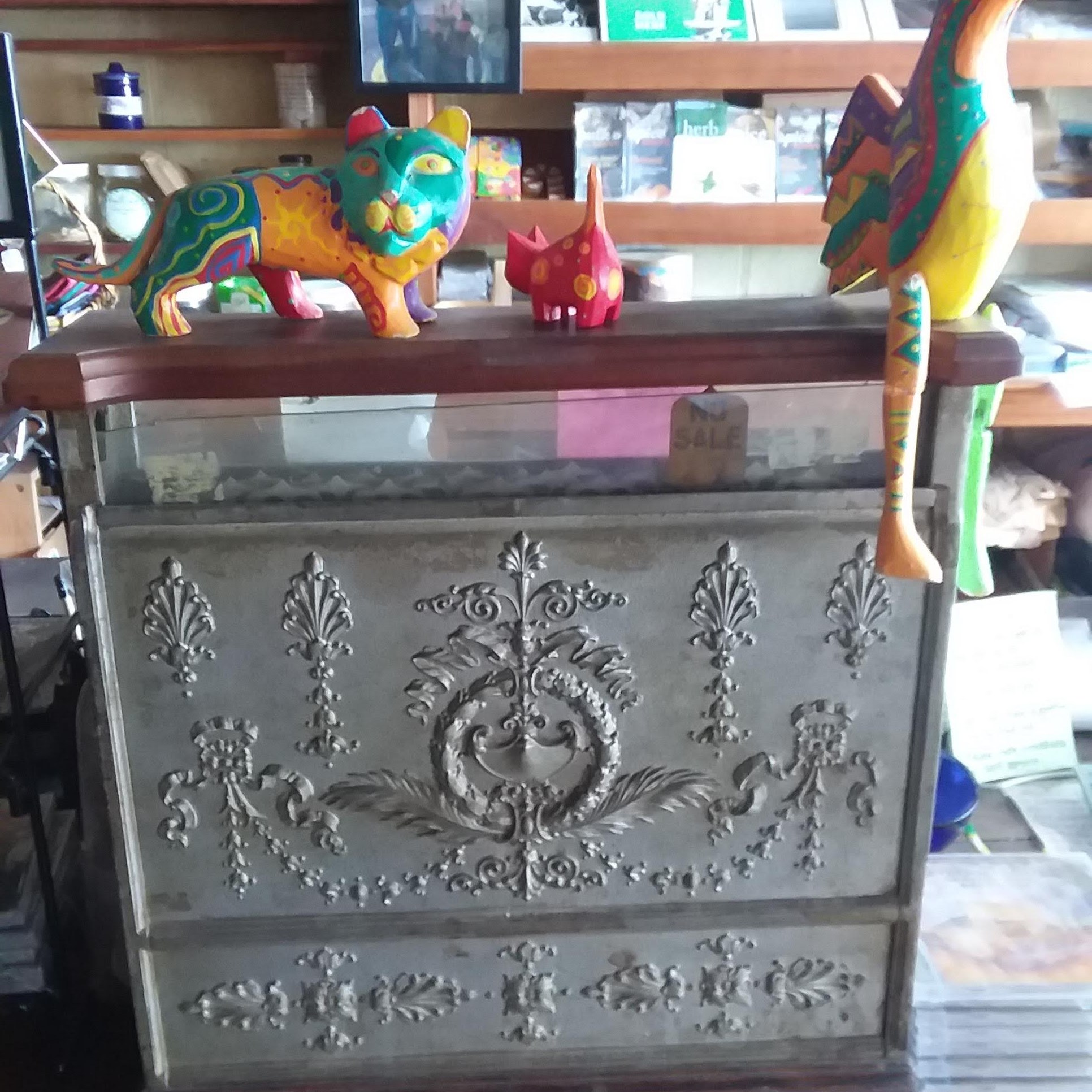
This hidden gem is the Oak Center General Store, and it has functioned as a multi-faceted community gathering place for the past 45 years. I first encountered it ten years ago when some friends of mine, veterans of the Oak Center experience, brought me along with them for a concert. I was instantly enchanted by the historic storefront with its shelves of fair trade chocolate, locally grown vegetables, and gleaming containers of bulk spices. Antique features like a hanging oil lamp, ornate cash register, and the blue metal ceiling also drew me in. The building itself dates back to 1913, when it was constructed on the site of a co-op creamery.


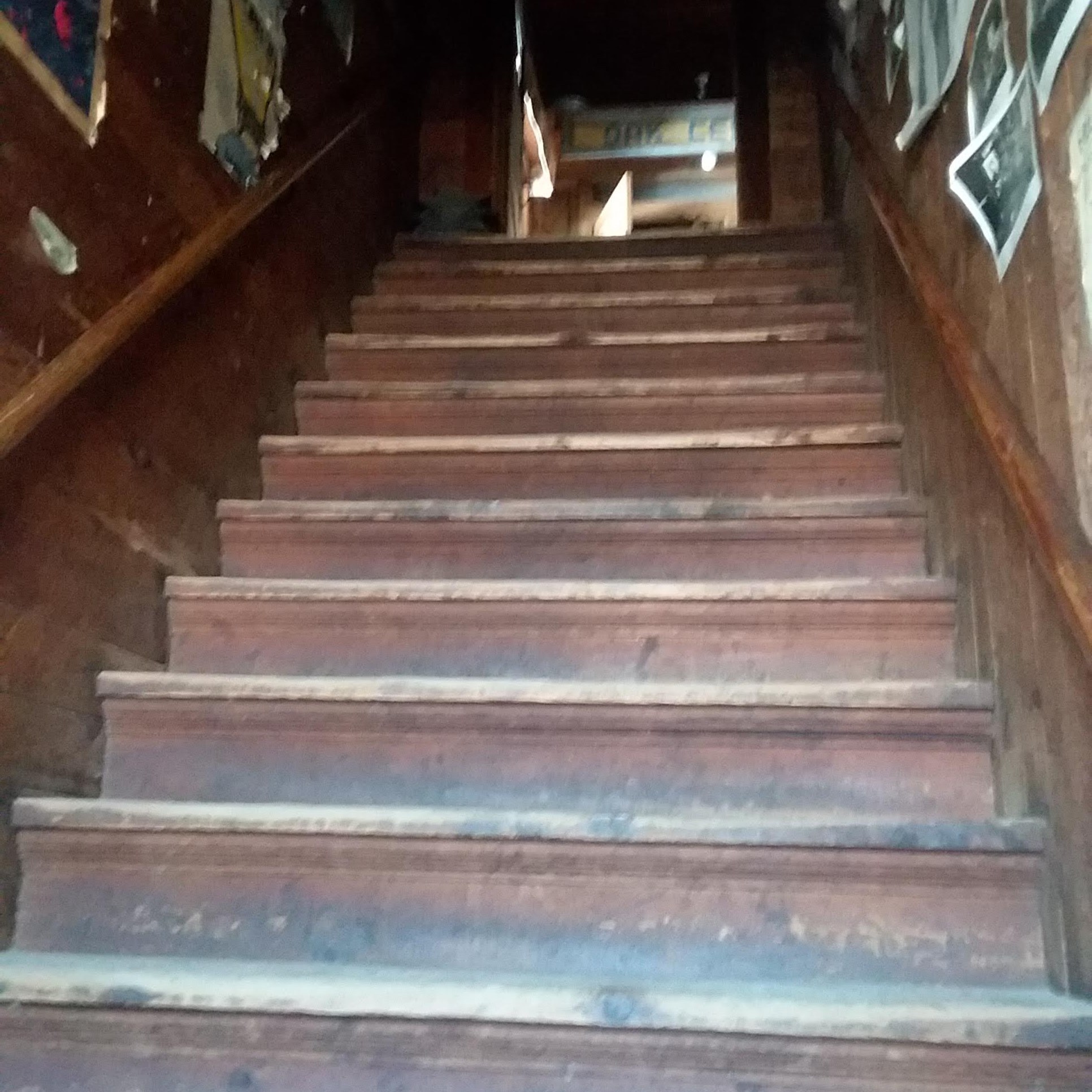
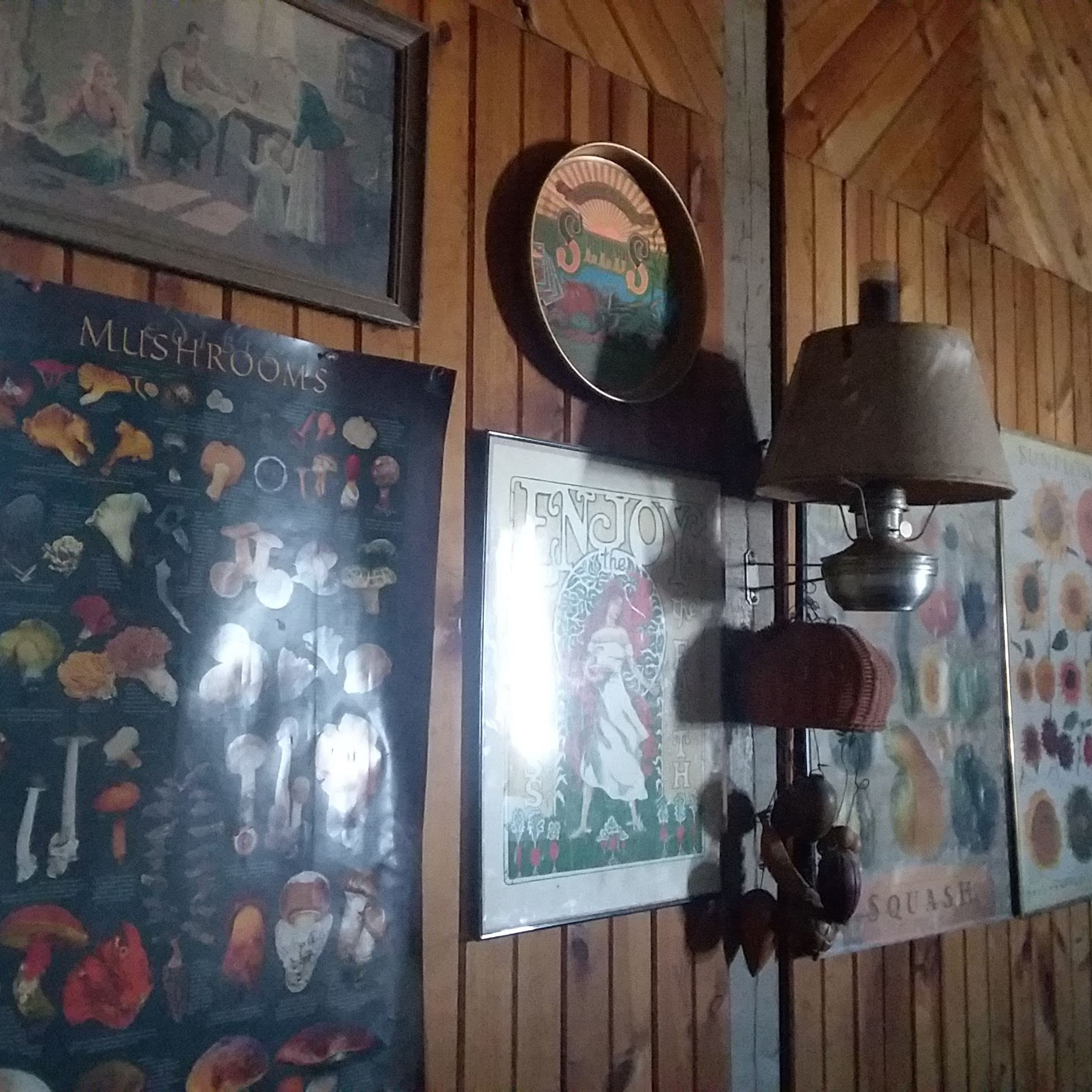
Behind the storefront is a cozy room with a woodburning cookstove surrounded by couches and bookshelves. The bookshelves are crammed with gardening manuals and vinyl records. Posters identifying varieties of mushrooms, squash, and sunflowers adorn the walls. Concertgoers pass through this room to get to the wide, worn staircase in the back of the building. The staircase ascends to the music venue on the second floor.
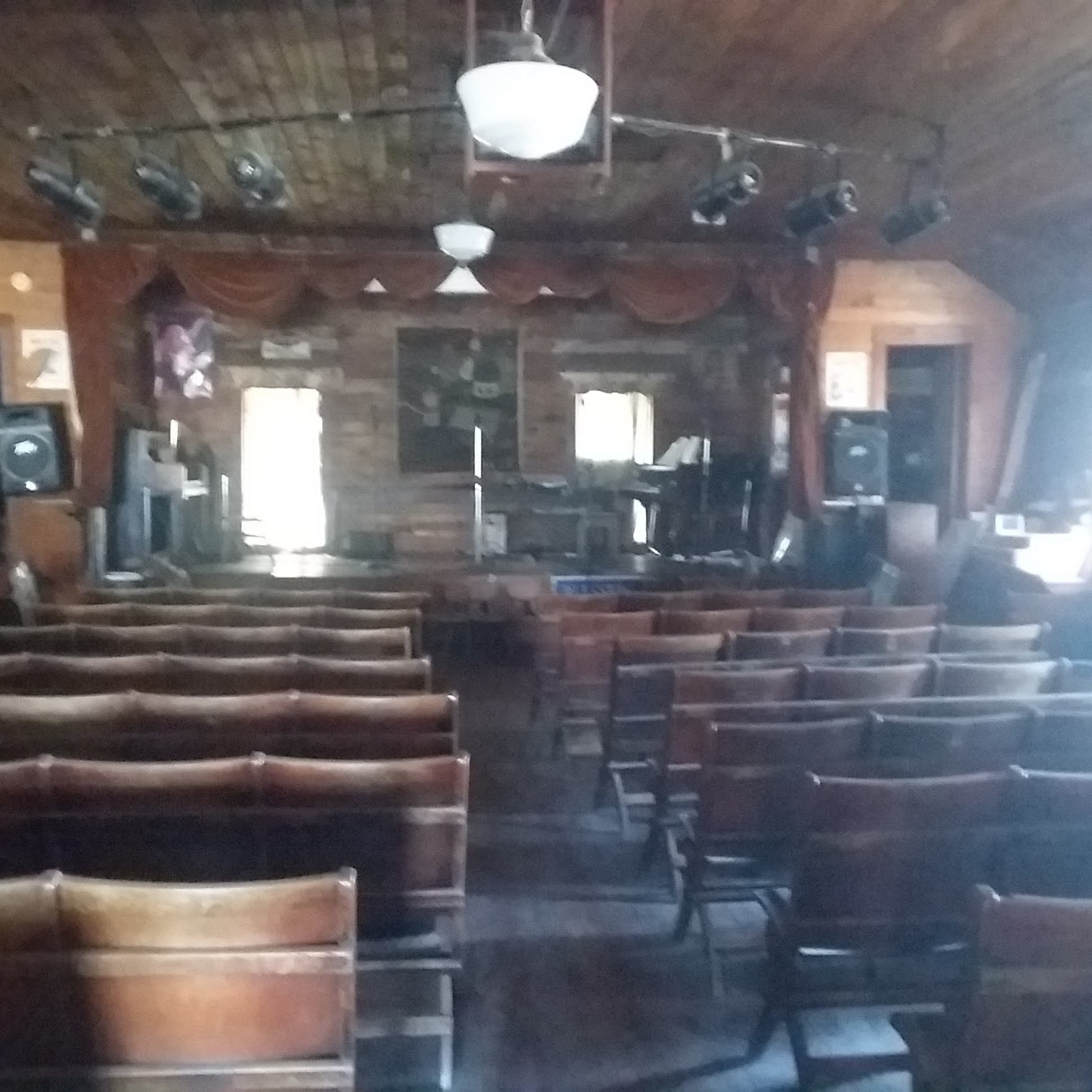
The Oak Center performance space is a folk musician’s dream come true. A small stage holds two upright pianos and just enough room to cram in some fiddle players, a guitarist or two, maybe an upright bass. The rows of wooden theater seats hold capacity for one hundred people, so every show is intimate. Dogs and cats roam the floor in search of treats and affection. Organic popcorn and home baked cookies are for sale in the back. The music is always good, but it is the atmosphere that has kept me coming back for concerts every winter since my first experience.

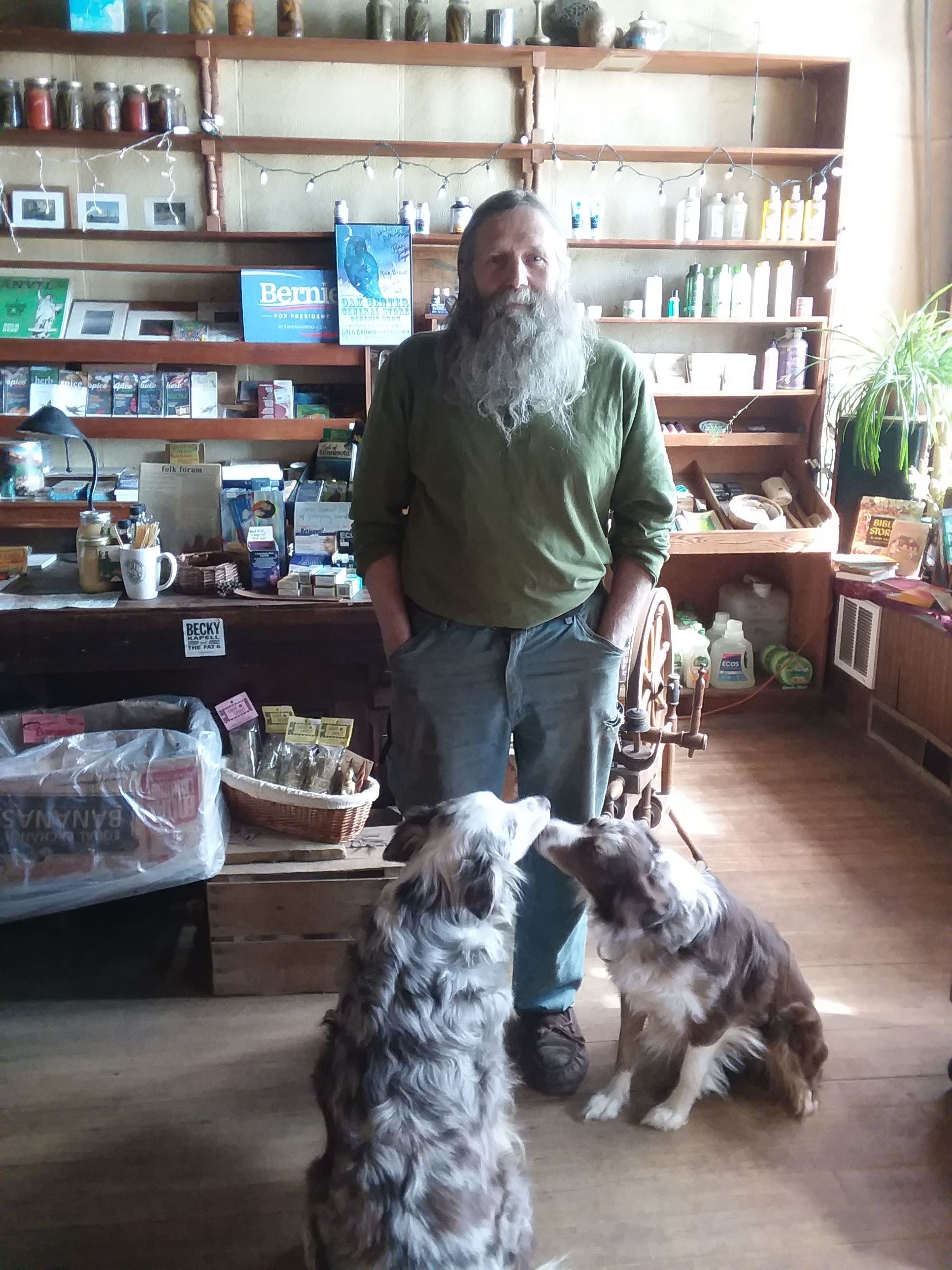
I recently returned to Oak Center for a visit and a chat with Steven Schwen, the owner and operator. His thirteen acre property, Earthen Path Organic Farm, stretches out behind the store. Outside I could hear his large flock of honking geese. The inside of the building was quiet and still, absent of the music and people I am accustomed to. Steven and I sat down with his Australian shepherds, Rosie and Freckles, to discuss the history of Oak Center and the path that led him here.
Schwen came across the property in 1976, a few years after graduating from Northwestern University.
“I wasn’t looking for a store,” Schwen says. “I was looking for an acreage for my horses, goats, sheep, ducks, and geese.”
He credits the experiences of his college years in Chicago as the impetus behind his desire to farm. Schwen started school in 1968, the same year that the Democratic convention ended in riots. A year later Black Panther leader Fred Hampton was shot and killed in his bed by the FBI. Schwen participated in peace marches and Vietnam War protests, and saw people getting beaten by police and shot with teargas. He saw the need for dramatic societal change.
“People were wrecking the planet, the economic system was exploitive, there was inherent racism,” Schwen says.
He felt compelled by the back-to-the-land movement of the time. He sought a way of life that decreased reliance on technology and increased connection to nature. After living in a commune in Oronoco for a few years, Schwen found himself in need of a new agricultural home.
The Oak Center building was in need of many repairs when Schwen took ownership of it. The upkeep and maintenance has been a huge, life-long project. His original vision was to turn it into a farm retreat center run on renewable energy, a kind of “rural, independent university of life”. He began farming the land with draft horses and selling his produce to markets in the Twin Cities and Rochester. He formed a cooperative with other local producers, including some Amish farmers. They helped each other with large projects and combined shipments to restaurants and co-ops. He married and raised his family on the farm, living in the general store building.
Schwen started offering workshops on topics related to agriculture, renewable energy, and peace and justice work. He brought in presenters with a wide range of skills and knowledge. Prominent Minnesotan politicians, including Paul Wellstone and Eugene McCarthy, came to Oak Center to participate in panel discussions. Speakers also included Native American activists such as John Trudell and Vernon Bellecourt.
The concerts at Oak Center evolved out of these efforts, and as a way to supplement farm income during the winter months. For Schwen, music was always a powerful way to spread the message of the peace and love movement of his college days. He finds inspiration in the music of Joni Mitchell, Jackson Browne, and Crosby, Stills, and Nash. The musicians who have performed at Oak Center over the years have been primarily acoustic folk/Americana musicians in the same tradition. Regular performers have included Charlie Parr, The Pines, Reina del Cid, Radoslav Lorkavic, Dean Magraw, and Peter Ostroushko.
(Ostroushko, one of my favorite musicians and an exceptional mandolin and violin player, passed away on the same day that I interviewed Schwen, which I just discovered while writing this. His obituary is here: https://www.mprnews.org/story/2021/02/25/minnesota-music-legend-peter-ostroushko-dies-at-67)
Musicians like Ostroushko loved the Oak Center atmosphere and spread the word to other musicians that they should perform there. People attending the concerts likewise promoted the experience to others via word-of-mouth. Volunteers were recruited to help manage ticket sales and prepare the space. Concerts were often preceded by a free-will donation meal made from food grown on the farm. People from a variety of communities and backgrounds have come together at Oak Center.
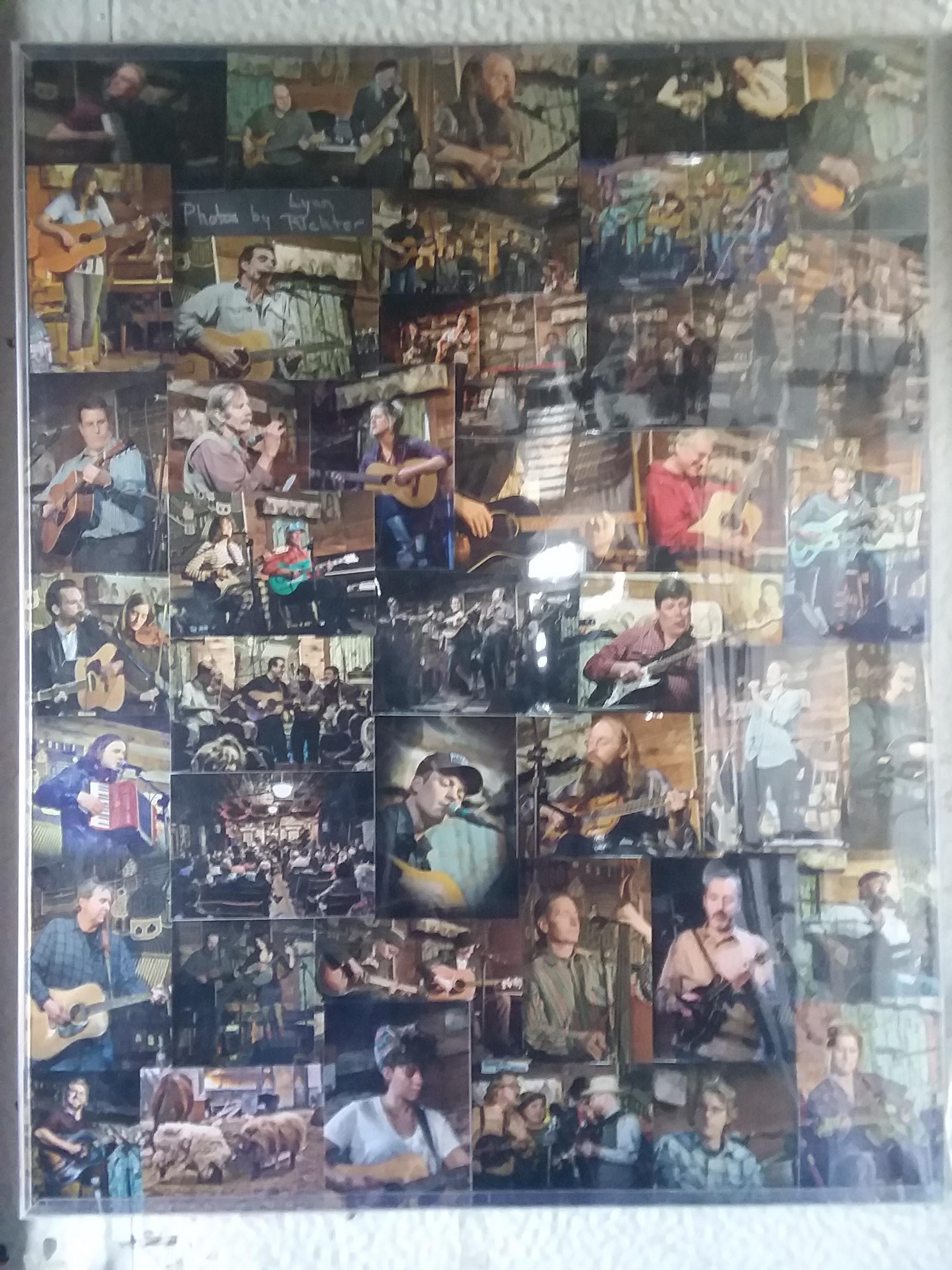
“This place has been kind of like a lighthouse for people who wanted to get involved in organic farming, progressive politics, healthy renewable energy, and music,” Schwen says. “There are a lot of people who came here as kids and ended up going into one of those fields.”
The last couple years have been a struggle for Schwen. He lost two greenhouses, some livestock, and waterlines during a blizzard in February of 2019, and hasn’t had the energy or support to keep up with much-needed projects and renovations. He hasn’t been able to host any concerts in a year because of the pandemic. His fields are taken over by weeds and deer. He recently got rid of his llamas, goats, and horses.
I asked Schwen what brings him hope these days. For him, it is in seeing the legacy of his work carried on by his children and other young people who participated in the life of Oak Center and Earthen Path. His son Joe lives and farms with his own family 7 miles away, using renewable energy and agriculture practices. Joe has formed a cooperative with other local farmers, including some who used to intern at Earthen Path.
A core group of volunteers still meet with Steven Schwen on Saturdays at Oak Center to keep the community spirit alive and brainstorm survival strategies. Hope abides for concerts to return some day, but it is too soon to say for sure what the future holds. To stay tuned, visit the Oak Center website (https://oakcentergeneralstore.com/) or facebook page (https://www.facebook.com/Oak-Center-General-Store-Earthen-Path-Organic-Farm-315674845525/).
 Angie Gustafson